By the time someone commits to a hair transplant, they’ve usually done the math. Screenshots of before-and-afters. Late-night searches for “hair transplant timeline.” Scanning photos at month three, month six, one year, trying to work out when things actually look different in real life. The surgery itself feels like a single event on the calendar. The part nobody advertises on social media is what happens after the grafts are in, when the real work belongs to biology and time.
That gap between expectation and reality is where most anxiety lives. Patients want a straight line: surgery, then steady growth. The body offers something less tidy. There is shedding, silence, then a gradual return. Understanding that arc ahead of time doesn’t make the process shorter, but it does make it less confusing. A clear growth timeline after hair transplant surgery turns months of second-guessing into a plan you can watch unfold.
This is how that plan usually looks, when it’s built around real tissue, not wishful thinking.
The first days after a hair transplant are strangely visual. There are tiny scabs, a defined outline of the new hairline or crown work, and the immediate sense that something concrete has happened. Patients take a lot of photos in this phase. It feels like proof.
Then the grafts do exactly what they’re supposed to do: they shed.
In the first week, the focus is on survival and protection. The scalp is pink and tight. Sleeping slightly elevated is standard. Washing is a careful ritual rather than a quick habit. Hats and helmets wait on the sidelines. Most people return to desk work within a few days, but they move differently. They’re aware of doorframes, car roofs, and anyone reaching in for a hug.
Around days seven to ten, the crusts soften and lift away. Somewhere in the second week, the transplanted hairs start to fall out. It can feel like failure, even when you’ve been told it would happen. This is the first real tension of the growth timeline: the mind wants visible progress; the follicles need to disappear for a while.
Under the skin, they are very much alive. They’re shifting from the shock of surgery back into a normal growth cycle. On the surface, things may look worse before they look better. Density can seem lower than before the procedure. Native hairs around the recipient area can shed too, a temporary effect sometimes called “shock loss.” It’s unnerving. It’s also common.
This is where communication with the surgical team matters more than the mirror. Photos sent to the clinic at set checkpoints give a better read than daily bathroom snapshots. The goal in these early weeks is simple: protect the grafts, keep the scalp clean and calm, and let the body reset.
By weeks three and four, the scalp looks normal enough to outsiders. No obvious crusts, no surgical story. For the person who had the procedure, this can be the most mentally uncomfortable stage.
They know there are thousands of grafts under the skin. They also know most of the visible hair they paid for has fallen out. The growth timeline after hair transplant surgery does not offer much payoff in months two and three. The follicles are in a resting phase. Nothing interesting happens in the mirror. Some people start to worry that their case is the outlier.
Clinics often schedule a check-in around this time for a reason. It isn’t because something dramatic should be happening. It’s because not much is, and this lack of visible change invites doubt. A good team revisits the plan, reviews photos, and confirms that what looks like “nothing” is part of the process.
There may be small bumps or ingrown hairs as the first new shafts try to push through. They’re usually managed with warm compresses and short-term adjustments to products, not big interventions. The tension in this phase is between patience and panic. You can’t rush follicles into anagen, the active growth phase. You can support them.
This is often when adjuncts enter the picture. Oral or topical medications, such as finasteride or minoxidil, may be used to support surrounding native hair and protect against further thinning. Low-level laser devices can be introduced to encourage circulation and cellular activity in the scalp. PRP injections, when part of the plan, are timed to coincide with these early growth efforts. None of these tools rewrite genetics. They create better conditions for the hair that was just moved and the hair that was already there.
The message in this middle stretch is not “wait and hope.” It’s “wait with structure.”
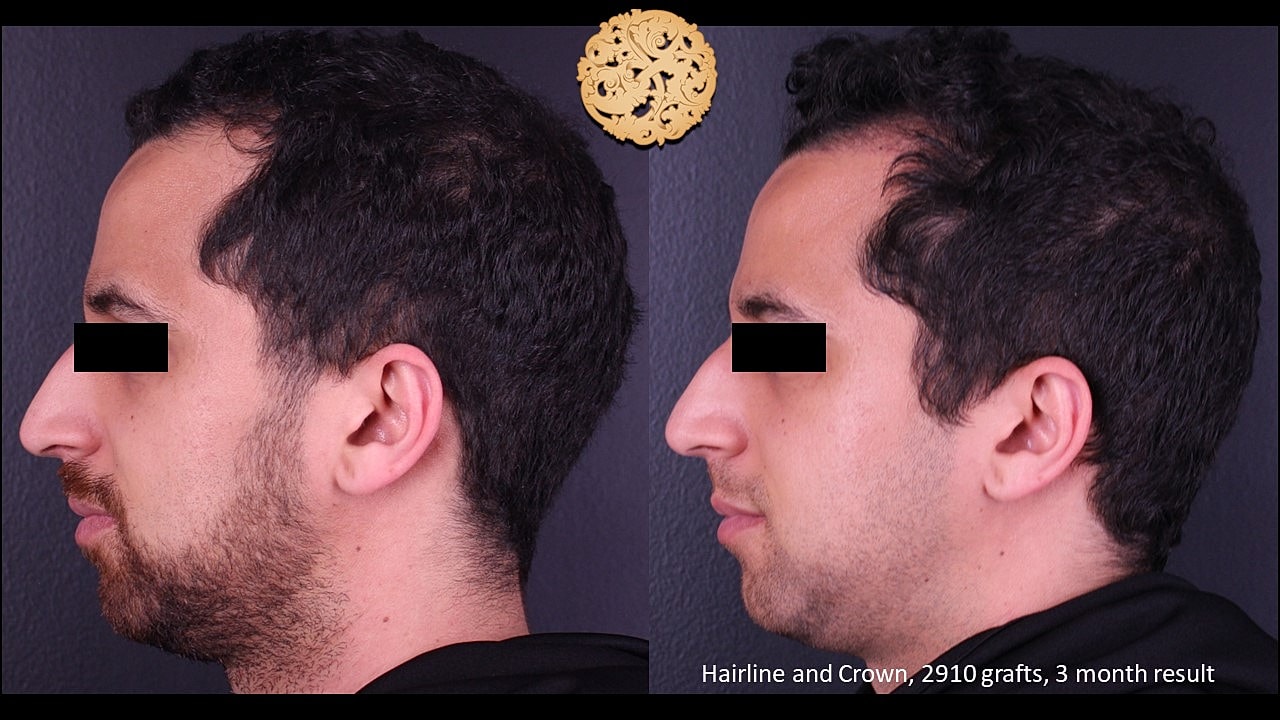
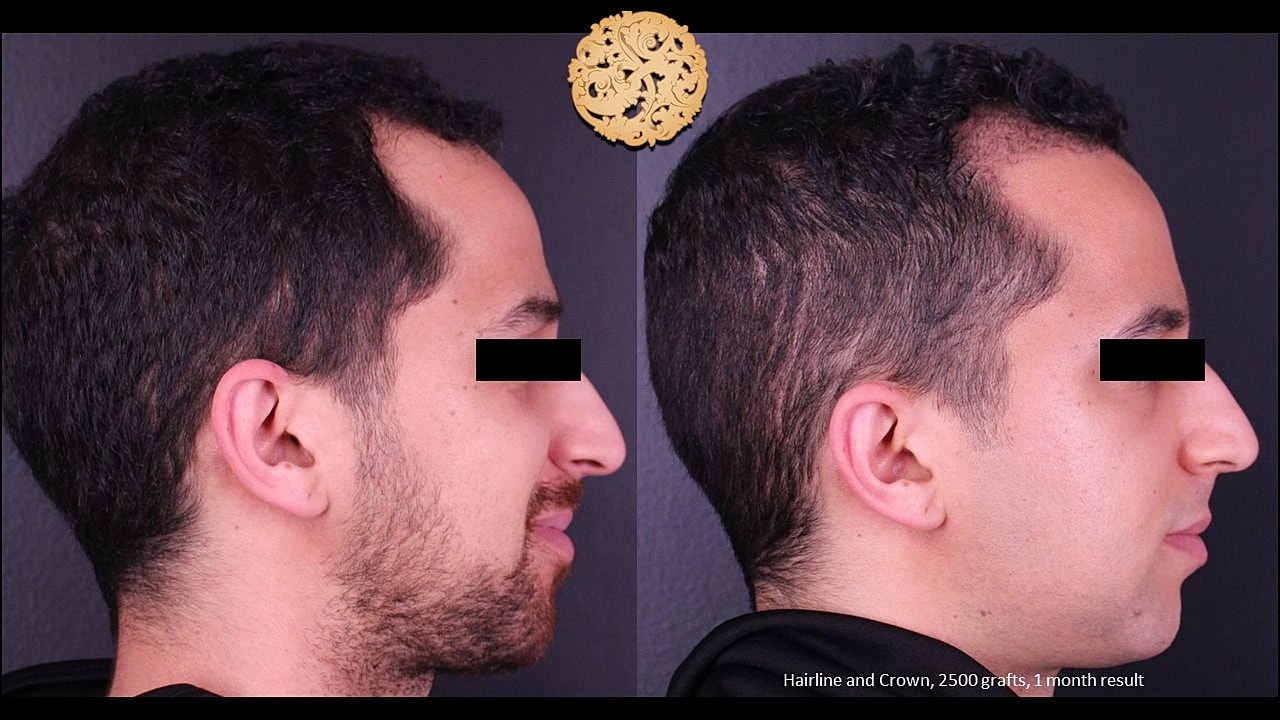
Around months four and five, the storyline changes. Patients run a hand over the recipient area and feel texture where there was smoothness. New hair appears first as short, fine, almost childlike strands. They may grow at odd angles or feel wiry at the tips. Anyone obsessively refreshing photos from hair transplant growth charts online will recognize this phase immediately. It’s the “awkward” stage.
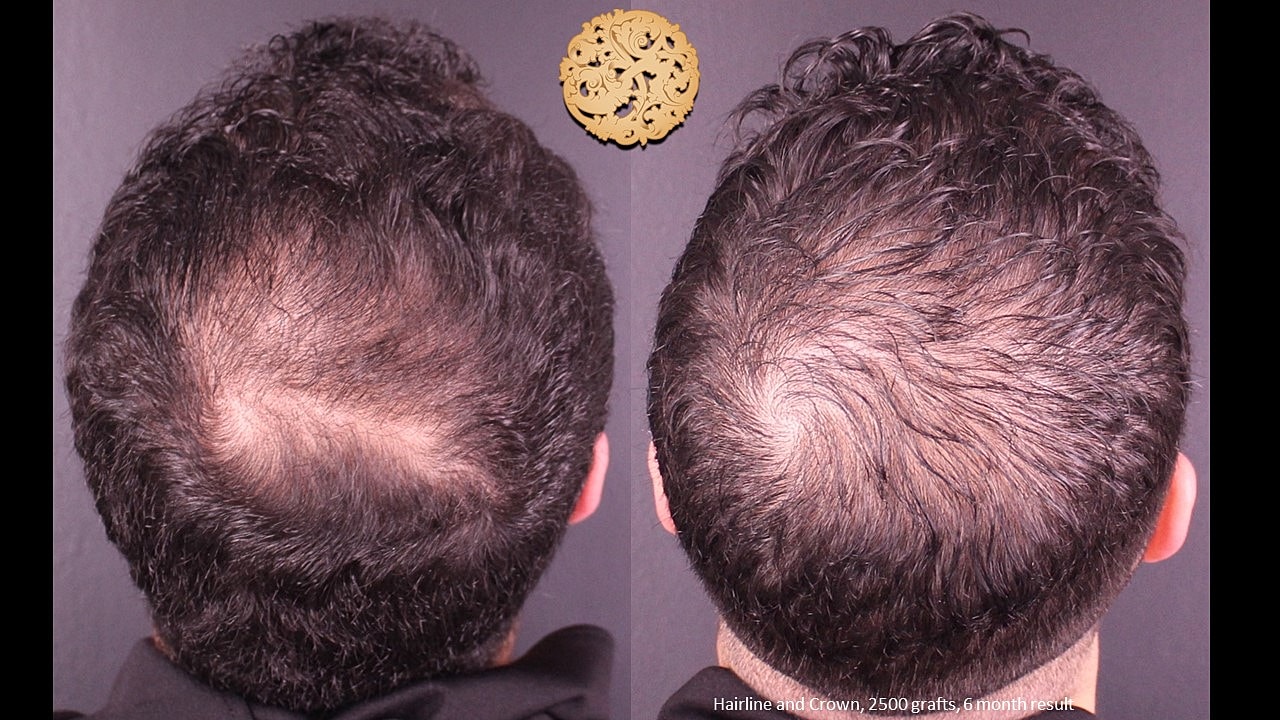
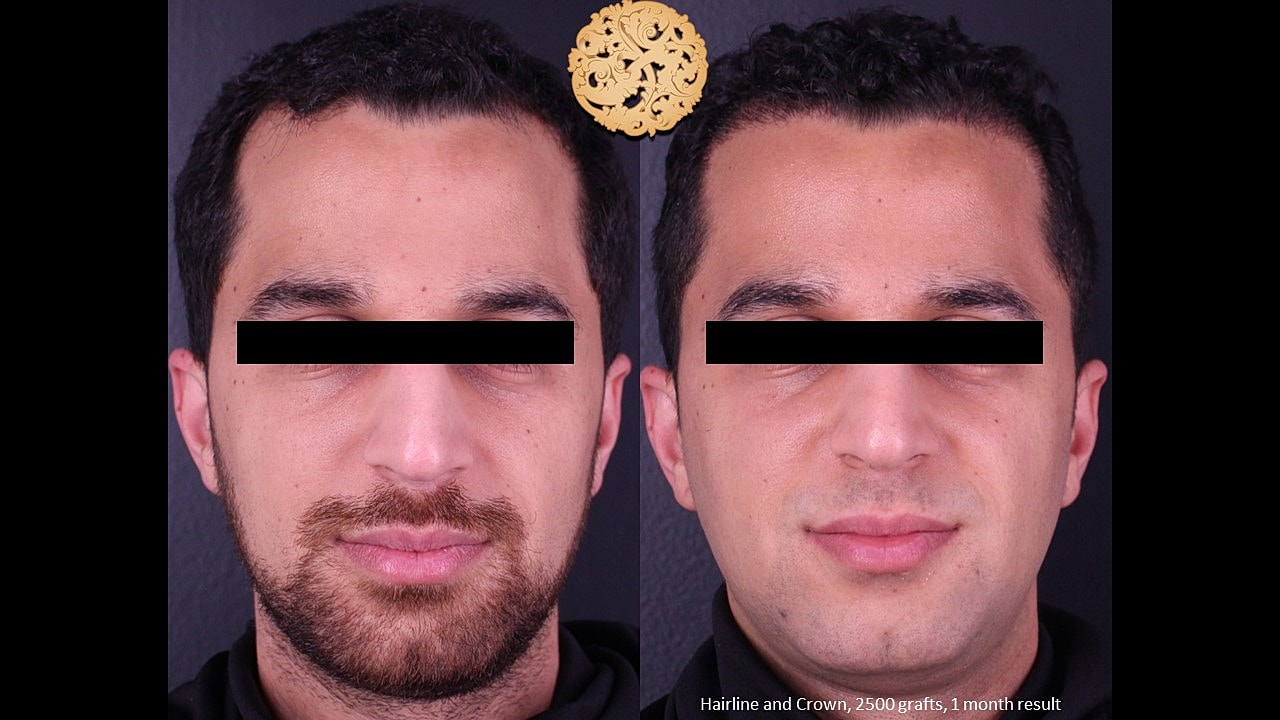
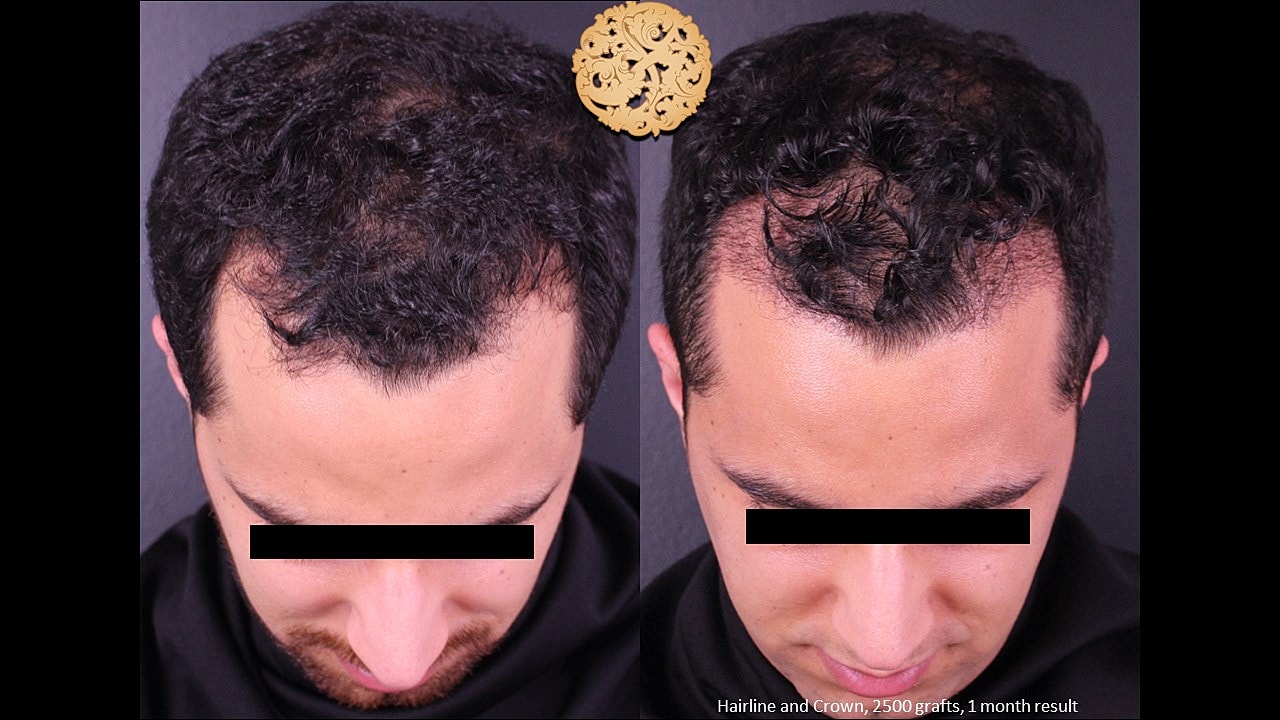
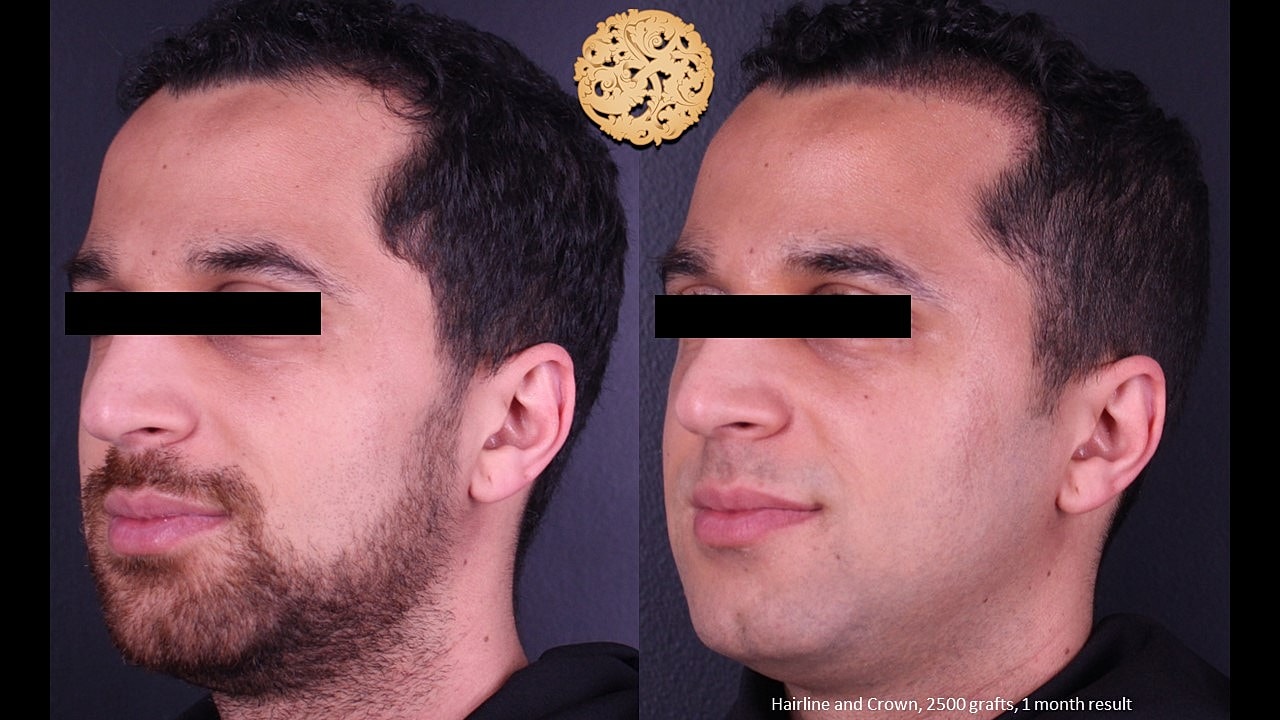
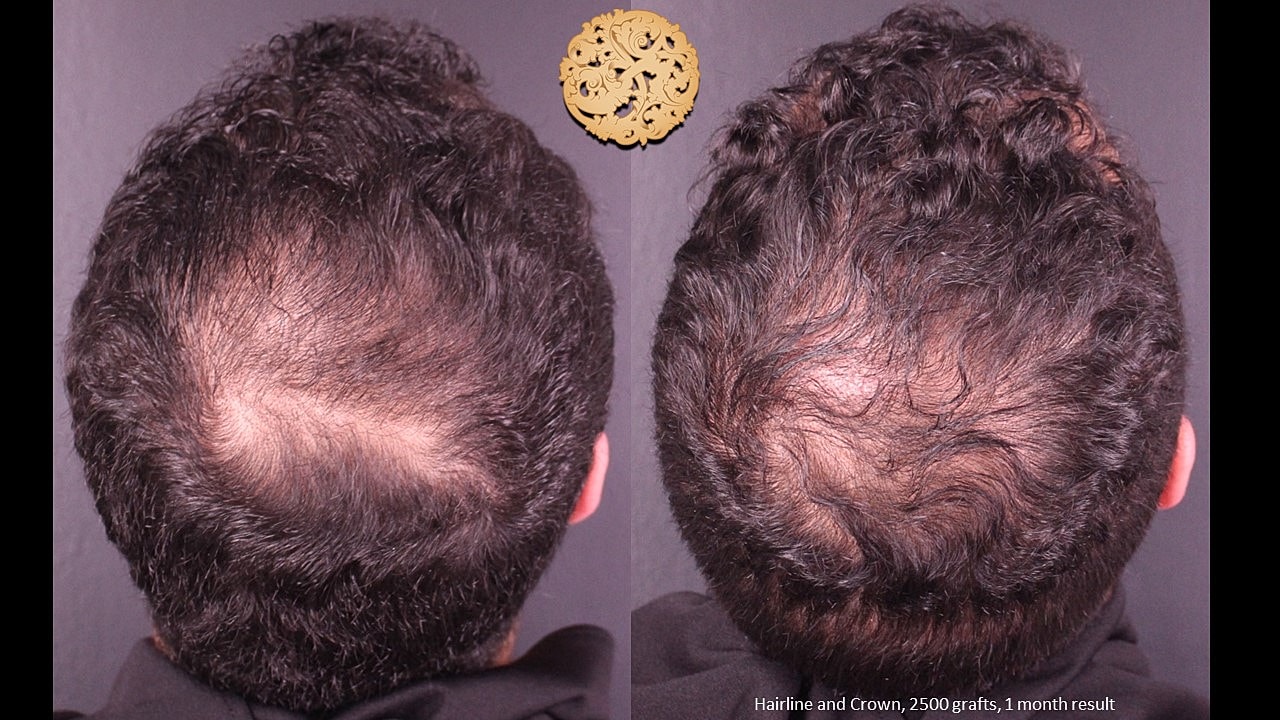
On camera, the change is subtle but real. A hairline that once looked like a sketch starts to fill in. The front edge softens. In the crown, small islands of coverage appear where there was open scalp. Under harsh bathroom lighting, it can still feel thin. Under normal room light, it’s the beginning of coverage.
Between months six and nine, the growth timeline after hair transplant surgery enters its most gratifying window. Hairs thicken. They darken. They start to behave like the rest of the person’s hair when cut and styled. Density increases not only because more follicles are active, but because individual strands gain caliber. A barber or stylist who hasn’t been told about the surgery may suddenly comment on how much there is to work with.
It’s important to remember that the crown often lags behind the front. A patient might feel almost “done” from the front-facing view and still see sparse coverage from above in this same period. That’s normal. Crown hair tends to take longer to show full improvement and is often challenged by swirling patterns and thicker skin.
This is also when expectations and reality meet. The plan designed before surgery—graft count, distribution, and pattern—shows itself in real hair. A conservative, natural hairline may not satisfy someone who secretly hoped for a dense, teenage frame. A strategically dense forelock, chosen to conserve grafts for future needs, may look thinner when grown out than it did on the diagram. These are not mistakes. They’re part of long-term planning. But they need to be discussed openly, ideally before surgery and again now, when the person can see the outcome.
By the one-year mark, most patients have something close to the outcome they were shown in their pre-operative simulations. For many, this is the point where the hair transplant timeline stops feeling like a project and starts feeling like their actual face.
At twelve months, it makes sense to step back and evaluate a few key questions:
Some cases continue to mature between twelve and eighteen months, especially in the crown or in patients with finer hair. Curl pattern can shift slightly. Individual strands may continue to thicken. The difference between a twelve-month and an eighteen-month photo is not as dramatic as the one between four and eight months, but it’s still noticeable in many people.
This is also when the plan moves from “growth” to “maintenance.” A hair transplant does not stop native hair loss. If nothing else changes—a person’s hormones, medical treatment, or medication use—genetic thinning can continue around the transplanted area. The grafts themselves are generally permanent. The surrounding hair is not.
Long-term strategies often include:
The tension here is between satisfaction and planning. Someone can be happy with their hair at one year and still make an agreement with their surgeon about how to handle future changes. Good practices are honest about both pieces.
It’s easy to treat hair transplant growth charts as a guarantee. Month one should look like this, month six like that. The reality is more elastic. Genetics, health, hair type, surgical technique, and aftercare all bend the curve slightly.
What doesn’t change is the basic shape of the growth timeline after hair transplant surgery: visible work in the first days, shedding in the first month, waiting in the second and third, early sprouts around month four, real coverage by months six to nine, and a maturing result between twelve and eighteen months. Knowing that shape ahead of time changes how each stage feels.
Instead of wondering if shedding means failure, a patient can recognize it as part of the reset. Instead of assuming nothing is happening in month three, they can see it as groundwork for months four and five. Instead of chasing a second surgery at month eight, they can wait for the full arc to land before making decisions.
Hair restoration is one of the few cosmetic procedures where the most important changes show up long after the operating room. The work is part surgical, part psychological, part slow physiology. When the person in the chair understands the timeline, the months between “before” and “after” don’t feel like stalled time. They feel like a process they chose, unfolding on schedule.

.jpg)
.jpg)
.jpg)
.jpg)
.jpg)
.jpg)
.jpg)
.jpg)
.jpg)
.jpg)