








Is Labiaplasty Right for You? A Guide to Costs, Benefits, and Realistic Expectations
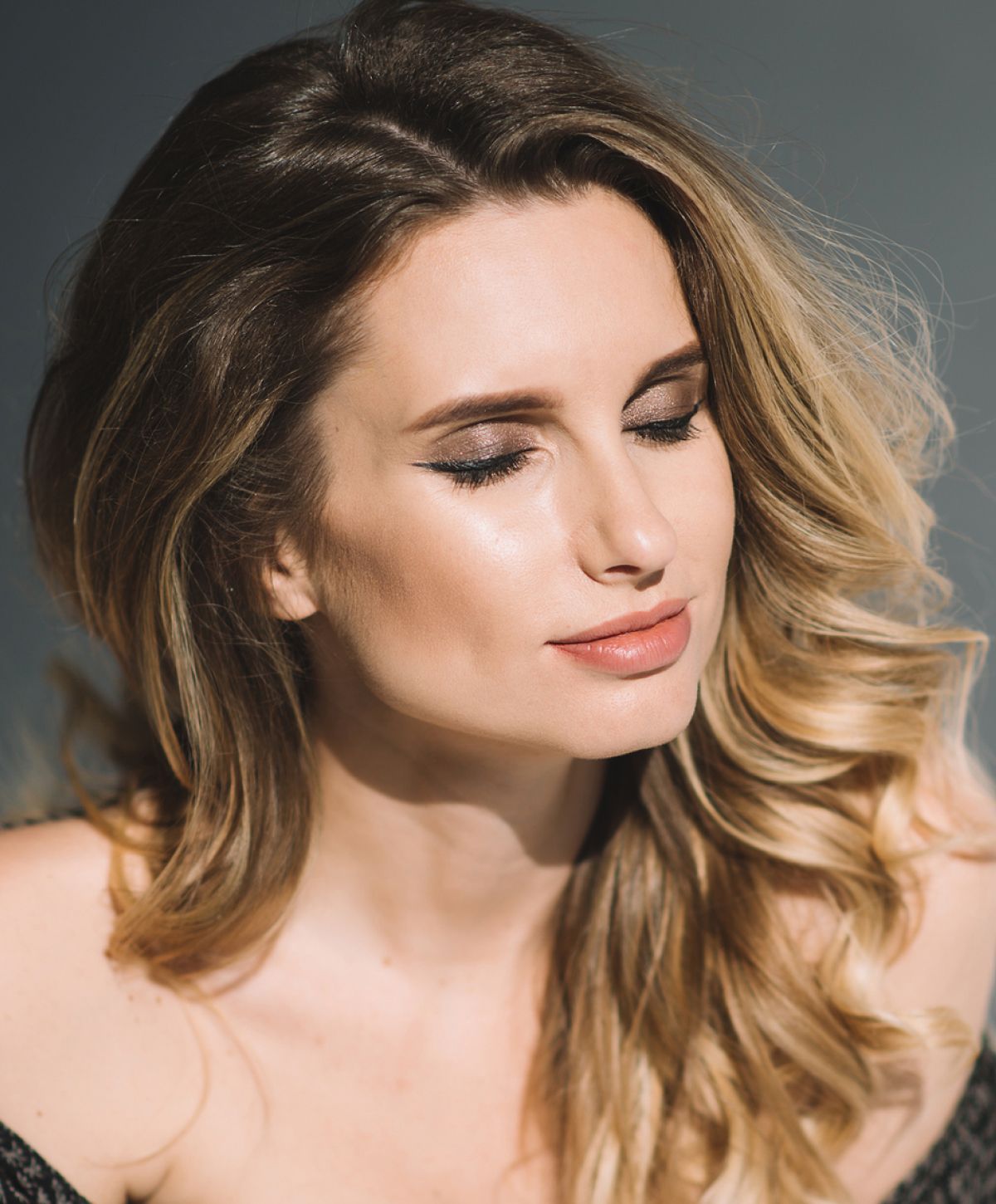

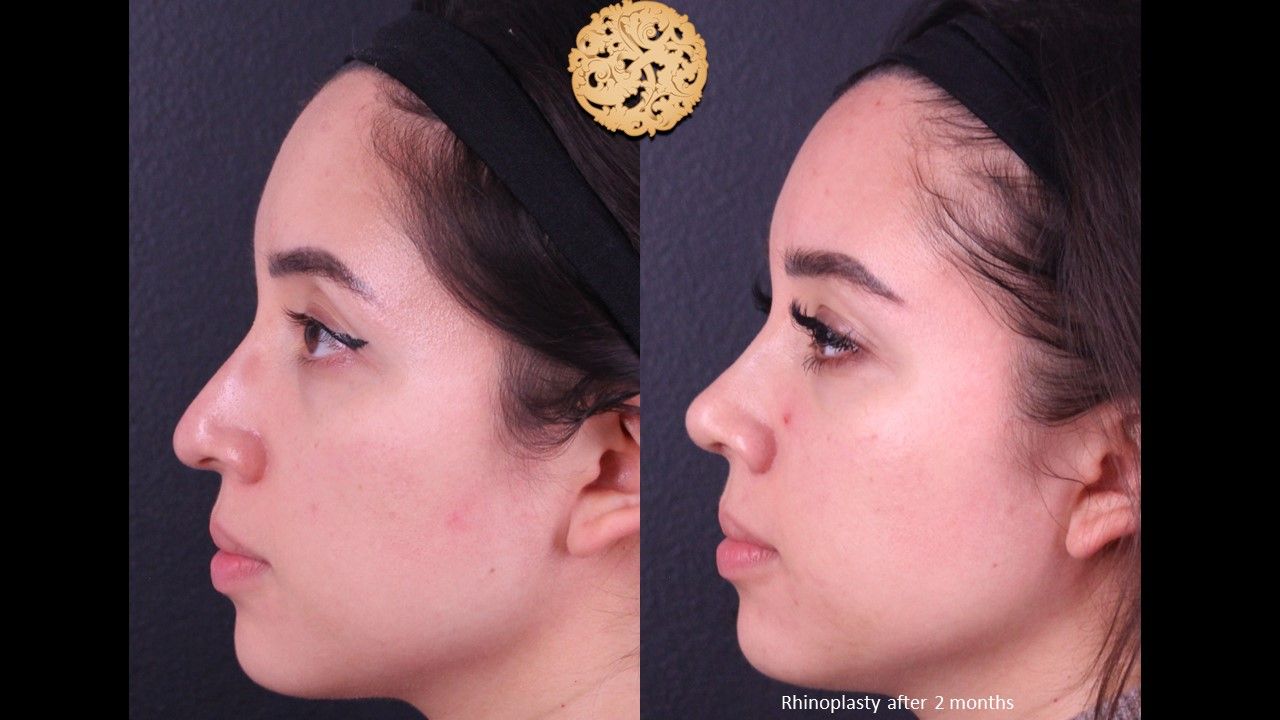
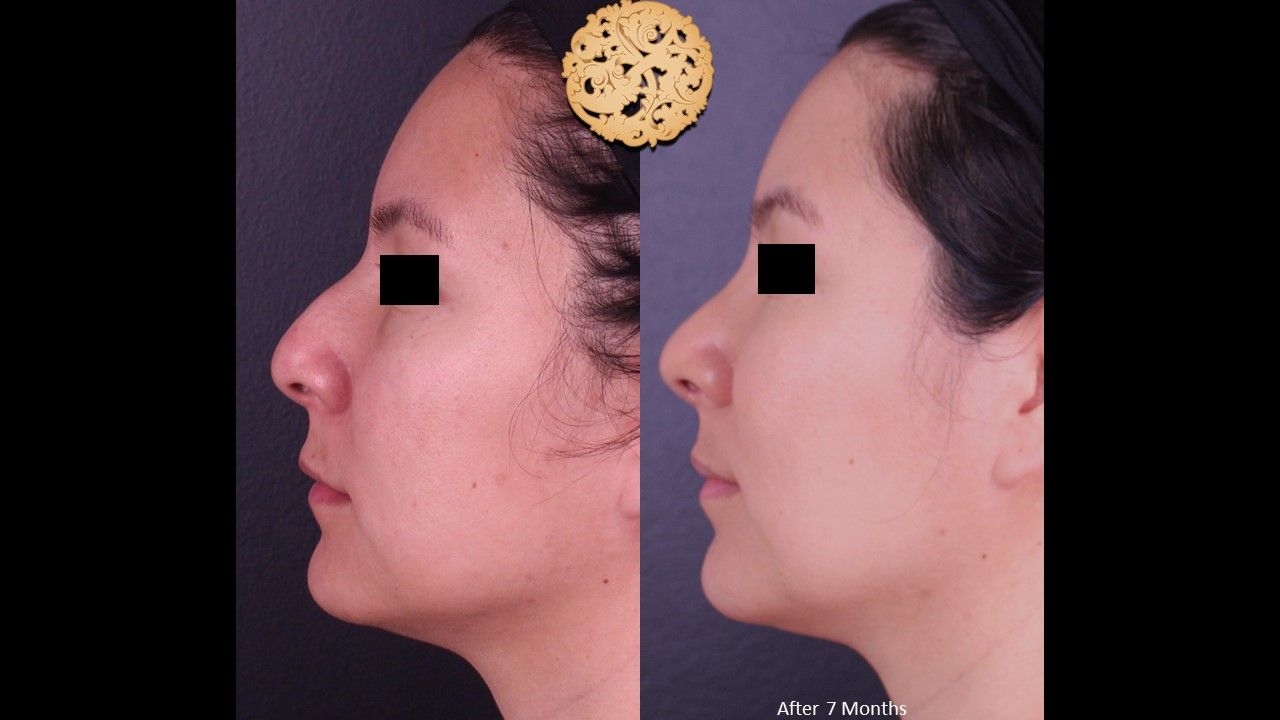
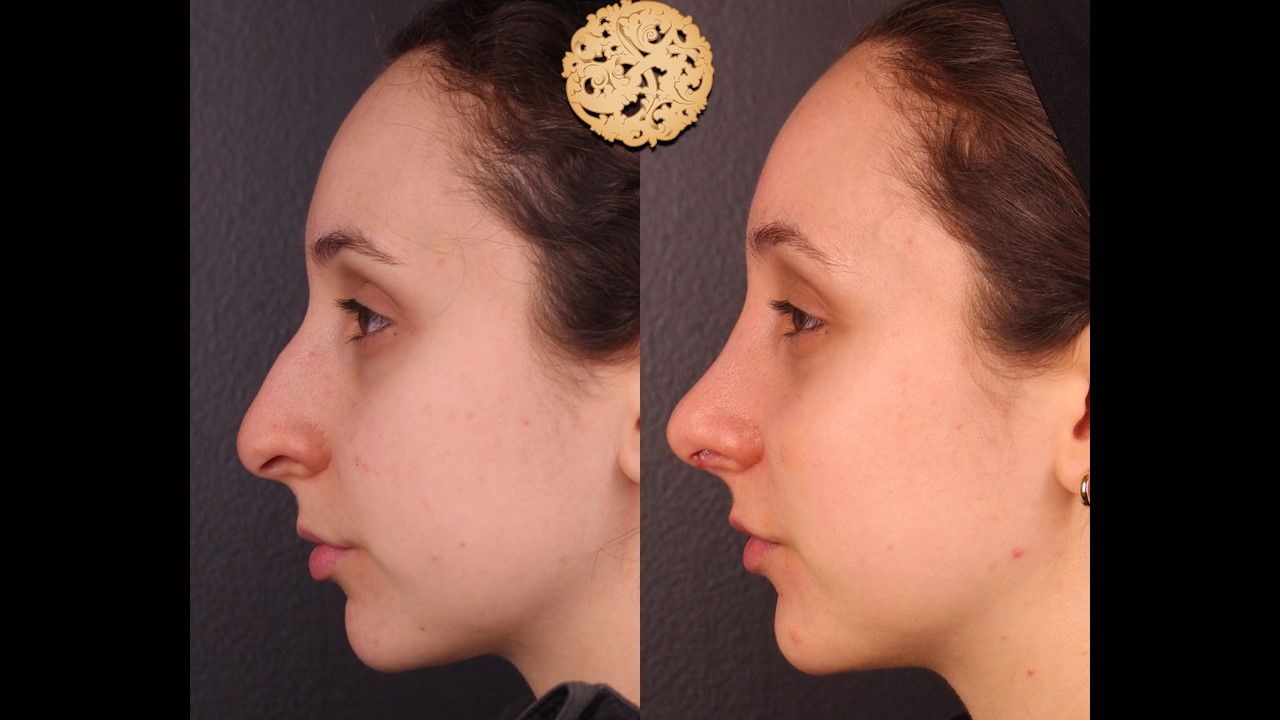
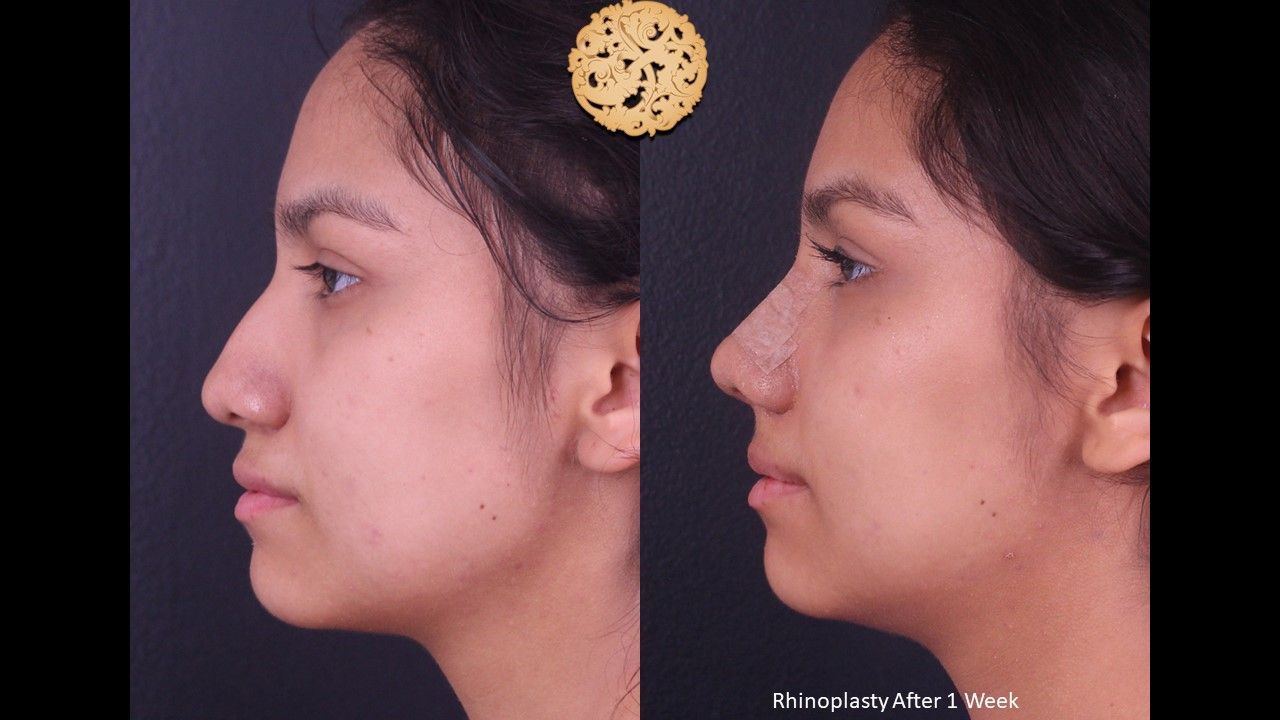
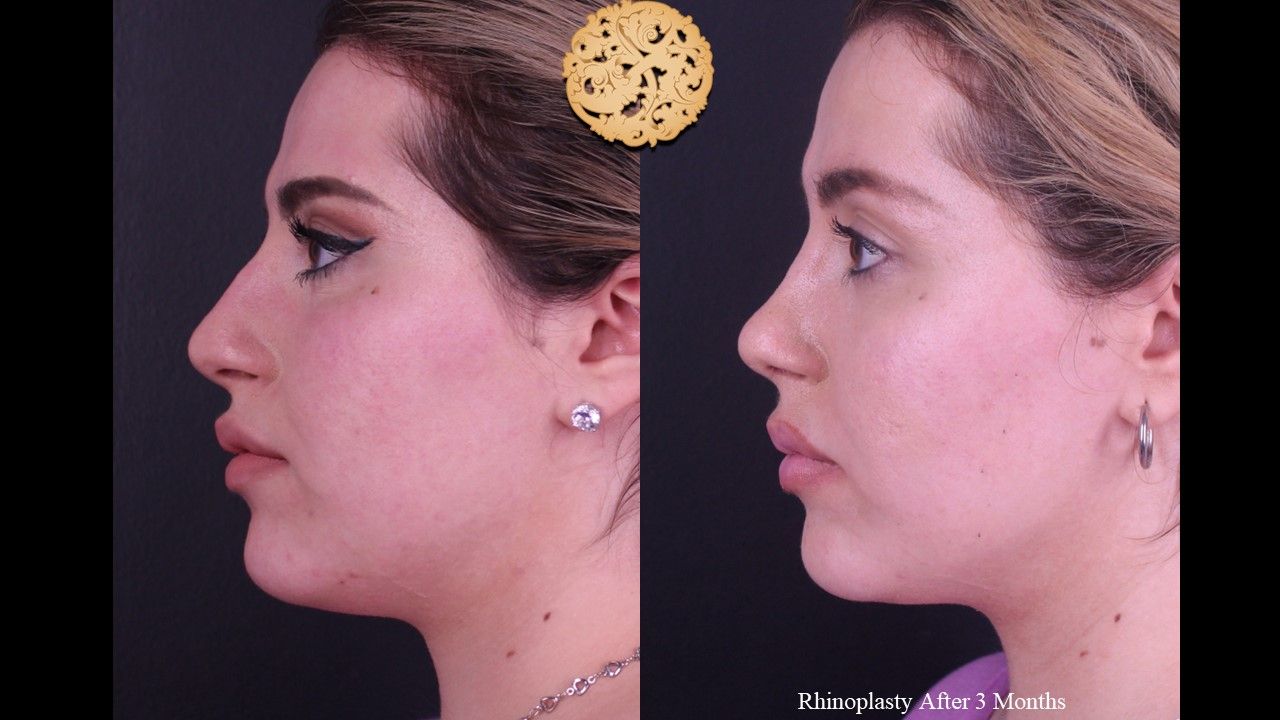
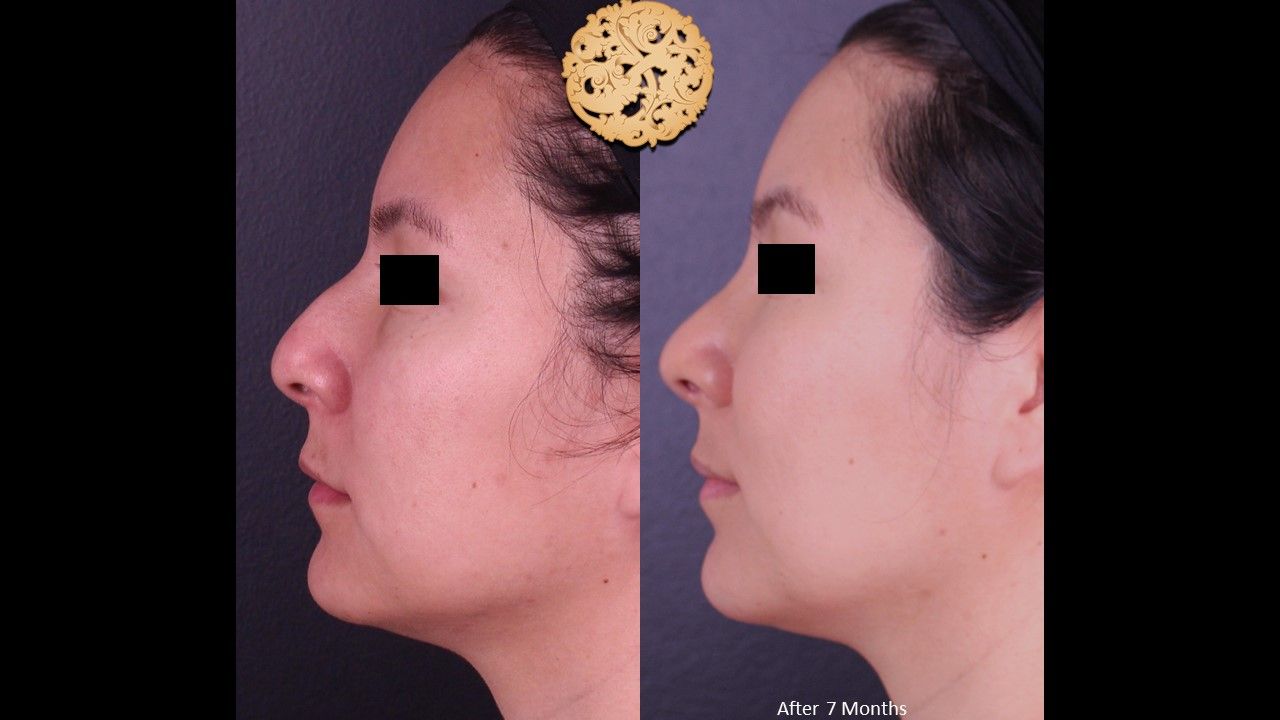
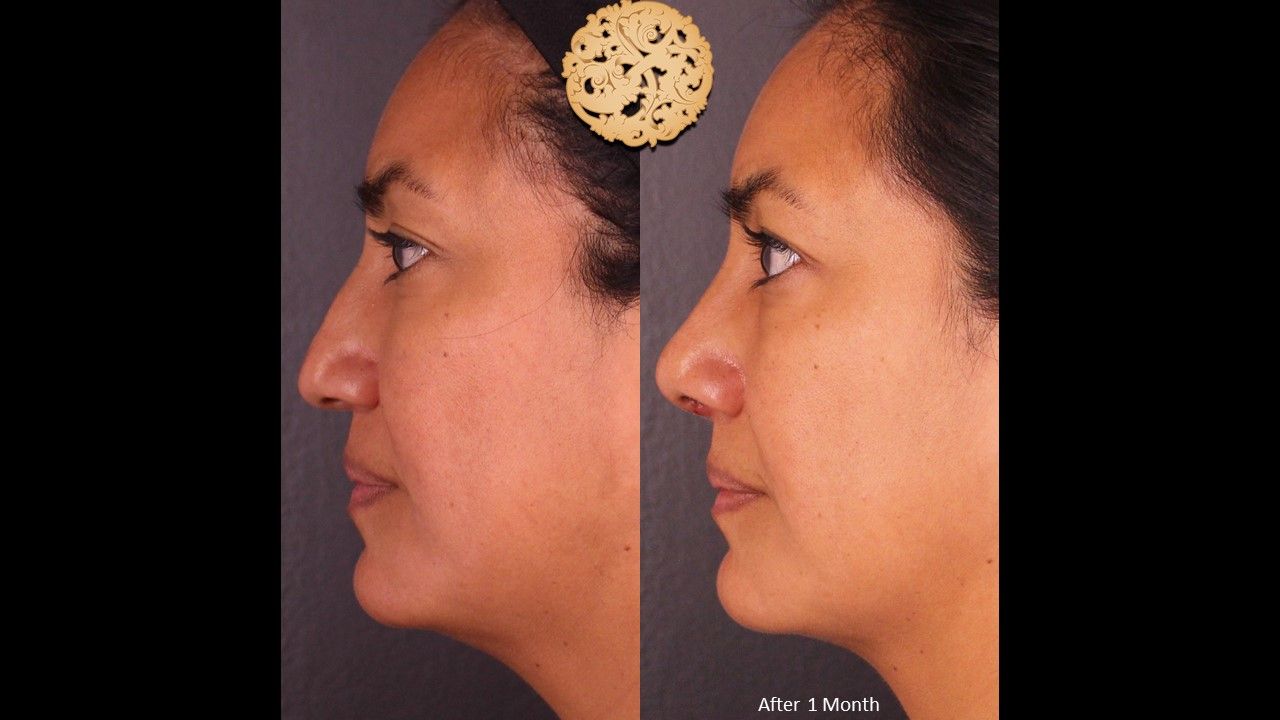
Rhinoplasty in Beverly Hills refines the nose, such as improving the structure of the nose & correcting problems in breathing.
1 of 10

Your nose is one of the most defining features of your face—it frames your expressions, balances your proportions, and plays a key role in your overall aesthetic. When its shape, size, or symmetry feels out of harmony with the rest of your features, it can subtly (or not-so-subtly) affect your confidence. That’s where rhinoplasty comes in.
Rhinoplasty, or nose reshaping surgery, is a highly customized procedure that enhances both the form and function of the nose. Whether you’re looking to smooth out a dorsal hump, refine the tip, or adjust the nostrils, this procedure helps create better facial balance while preserving what makes you, you. Beyond aesthetics, rhinoplasty can also correct breathing difficulties caused by structural issues like a deviated septum or past nasal trauma. From subtle refinements to more dramatic transformations, rhinoplasty is all about harmonizing your features in a way that looks effortless—never overdone.
Your nose is one of the most defining features of your face—it frames your expressions, balances your proportions, and plays a key role in your overall look. At our practice in Los Angeles Rhinoplasty enhances facial harmony by refining the shape, size, or symmetry of the nose, creating a more proportionate and aesthetically pleasing profile. For many, it’s also about function. If you’ve struggled with breathing issues due to structural concerns like a deviated septum, rhinoplasty can help you breathe easier—literally.
Beyond the physical transformation, rhinoplasty can have a profound impact on confidence. Whether it’s smoothing a dorsal hump, refining the tip, or narrowing the nostrils, even subtle changes can make a dramatic difference in how you feel about yourself. The beauty of rhinoplasty lies in its ability to create results that enhance—not overpower—your natural features.
Key Benefits of Rhinoplasty:

When considering a Rhinoplasty Los Angeles patients should know that it is one of the top cosmetic procedures performed in the United States.
Most surgeons suggest waiting until the age of 16 or 18 before choosing to have the procedure done to avoid interfering with development of the nose.
Also, surgeons want to make sure the patient fully understands the risks and benefits of the procedure. Before the procedure, your surgeon will tell you that you should stop smoking. Drinking alcohol is also strongly discouraged. Because smoking and alcohol severely compromise blood flow to the skin, less oxygen will be available to aid in the wound-healing process, and necrosis (death of the skin) can occur.
Rhinoplasty is a highly personalized procedure that is best suited for individuals who want to enhance their appearance or improve nasal function. Ideal candidates are those who have specific concerns about their nose—whether it’s a dorsal hump, a bulbous tip, or asymmetry—that they’ve thought about for a while.
It’s also important to be in good overall health, as a smooth recovery depends on your body’s ability to heal properly. For younger patients, the nose should be fully developed before surgery—typically around age 15 for girls and 16 for boys. If you smoke or have certain medical conditions that impair healing, your candidacy may be affected.
You May Be a Good Candidate for Rhinoplasty If You:
A consultation with a board-certified plastic surgeon will determine whether rhinoplasty is right for you, ensuring your goals align with what the procedure can achieve.
Open and closed rhinoplasty describe the location of the incisions and the way the surgeon accesses the nasal framework. Neither approach is automatically better. The right choice depends on your anatomy, surgical history, breathing, and the changes being made.
Open rhinoplasty uses incisions inside the nostrils along with a short incision across the columella, the strip of tissue between the nostrils. This gives the surgeon a direct view of the nasal bones and cartilage.
The open approach may be recommended when surgery requires detailed tip reshaping, correction of significant asymmetry, structural grafting, or revision of a previous rhinoplasty. The columellar incision is carefully positioned and typically becomes discreet as it heals. Swelling at the tip may take longer to resolve than it does with some closed procedures.
Closed rhinoplasty places every incision inside the nostrils, leaving no external incision. It may be appropriate for focused bridge refinement, hump reduction, selected tip changes, and other corrections that can be completed without fully exposing the nasal framework.
Because less tissue is lifted, some people experience less early swelling. The tradeoff is a more limited view of the underlying anatomy, which makes this approach less suitable for certain complex corrections.
The decision is made after examining the nose from the outside and inside. The goal is to choose the approach that gives the surgeon the control required while avoiding unnecessary disruption.
Ethnic rhinoplasty is an individualized approach to nose reshaping that respects the features connected to your heritage, family, and identity. It is not one operation or one predetermined aesthetic.
People may want to refine a nasal tip, straighten the bridge, improve projection, reduce a hump, adjust the nostrils, or correct asymmetry while preserving the qualities that make the nose feel familiar. A successful result should belong naturally to the face rather than resemble a standardized idea of what a nose should look like.
Skin thickness, cartilage strength, bridge height, tip support, nasal width, and overall facial proportions can all influence surgical planning. These characteristics vary considerably within every ethnic background, which is why ethnicity alone should never determine the technique.
The consultation should include a direct conversation about which features you would like to change and which you want to preserve. That clarity allows the surgical plan to improve balance while protecting the character of your face.
Revision rhinoplasty is performed after a previous nose surgery when concerns with appearance, breathing, or both remain. Some people seek revision because the original concern was not fully corrected. Others notice asymmetry, contour irregularities, loss of tip support, nasal valve collapse, or new breathing difficulty as the nose heals.
A second rhinoplasty is usually more complex than the first. Scar tissue can make the anatomy less predictable, and cartilage removed during the original operation may need to be replaced. When the septum cannot provide enough cartilage for reconstruction, graft material may be taken from the ear or, in more involved cases, the rib.
Swelling after rhinoplasty resolves slowly, and operating before the nose has settled can make it difficult to distinguish a temporary healing issue from a lasting structural concern. Unless breathing or another medical problem requires earlier treatment, people are commonly advised to wait at least a year before pursuing revision surgery.
Revision rhinoplasty can create meaningful improvement, but it must be planned around the anatomy that remains. The consultation should include an examination of the internal airway, a review of the previous procedure when records are available, and a candid discussion of what another surgery can realistically accomplish.
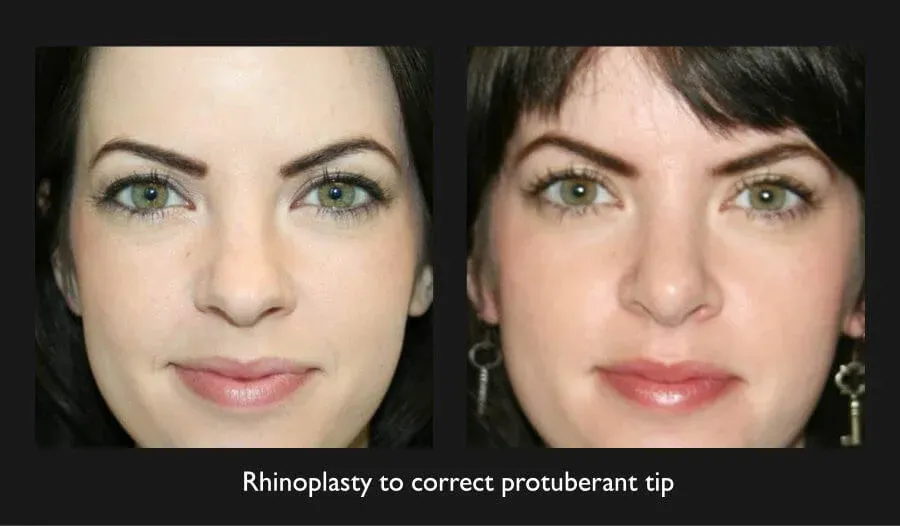
The nose plays a defining role in facial harmony, which is why even minor tweaks can create a more balanced and refined look. Rhinoplasty can address a wide range of concerns, from a prominent bridge to a drooping or bulbous tip. Whatever the concern, the goal is to create a nose that naturally complements your facial features—never one that looks overdone.
The key to a successful rhinoplasty is customization. No two noses are alike, and neither are surgical approaches. A skilled surgeon will tailor the procedure to your unique anatomy, ensuring that enhancements look natural and proportional to the rest of your face. Whether you’re looking for subtle refinement or a more dramatic transformation, rhinoplasty can help you achieve a nose that feels like you—just a more confident version.
When considering a rhinoplasty Beverly Hills plastic surgeon Dr. Nazarian can address common aesthetic concerns such as:
Yes. Rhinoplasty can address breathing problems when nasal shape and internal structure are contributing to restricted airflow.
A deviated septum is one common cause. The septum is the wall of cartilage and bone that divides the nasal passages. When it sits significantly off-center, one side of the nose may feel chronically blocked. Breathing can also be affected by prior injury, weakened cartilage, or narrowing and collapse of the nasal valves.
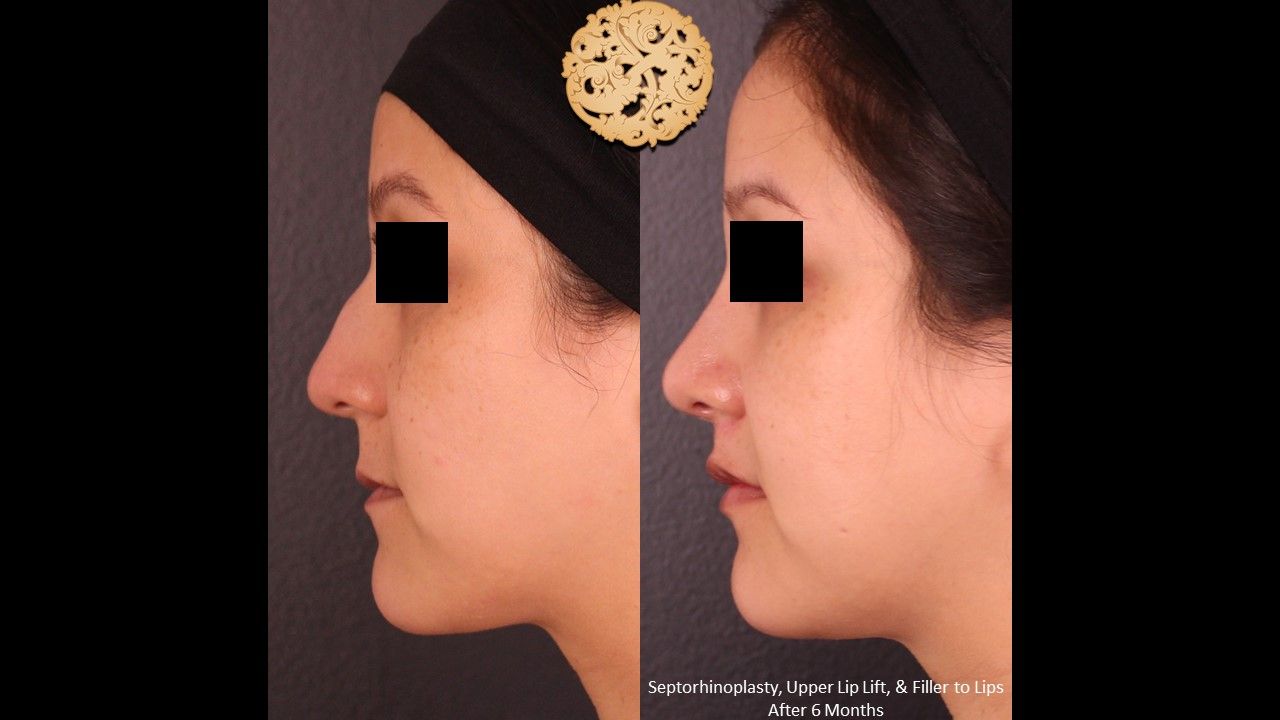
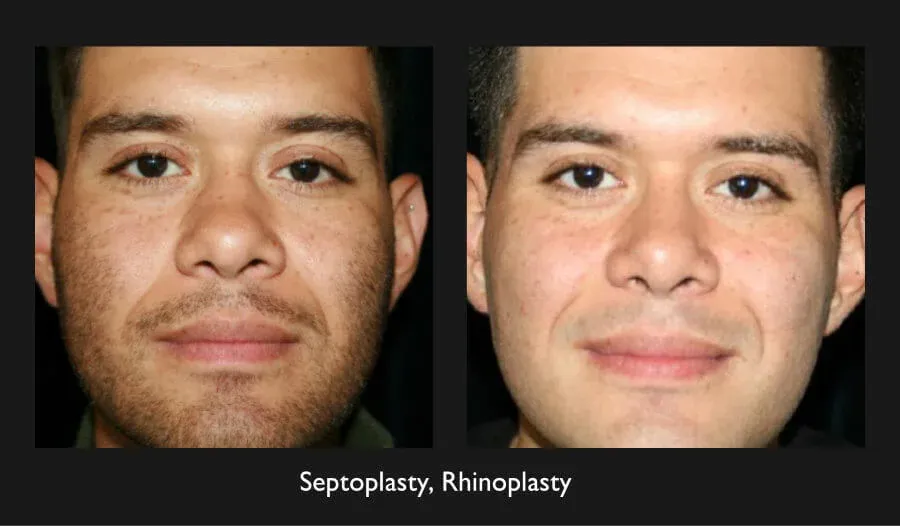
Septoplasty straightens or repositions the septum. Functional rhinoplasty reshapes or reinforces other structures affecting the airway. When someone wants to improve breathing and change the nose’s appearance, these techniques may be combined in a septorhinoplasty.
A careful internal examination is essential because congestion does not always come from the nasal structure. Allergies, inflammation, sinus disease, and other conditions can cause similar symptoms and may require different treatment.
When functional surgery is medically necessary and properly documented, insurance may cover part of the treatment. Cosmetic changes are generally considered elective and are billed separately. Coverage depends on the individual plan, required testing, and authorization process.
The procedure may take two to four hours, with a small incision concealed under the tip of your nose for an open rhinoplasty or inside the nose for a closed rhinoplasty.. Typically, the nasal skin is dissected, the bone and cartilage are refined, and then the skin is draped over the new framework of the nose. In most cases, a nasal splint is also provided to help stabilize the nose. The goal of a rhinoplasty is to create a subtle change to your facial features that will blend harmoniously with the rest of your face. The healing process is gradual. Swelling and minor bleeding is not unusual. Bruising around the surgical area may occur as well. Many patients have to wait a year before they can see the final results of their procedure. It is important to understand that results and healing time varies greatly between individuals. Oftentimes, a rhinoplasty is performed in conjunction with another facial procedure, such as chin augmentation. This helps balance facial features.
Rhinoplasty isn’t an instant transformation—it’s a journey. While you’ll get a glimpse of your new nose once the splint is removed (usually within a week), patience is key. Swelling can take months to fully subside, meaning your final, refined results gradually settle in over time. Think of it as an evolution rather than a reveal.
Once healed, your results are long-lasting. A well-performed rhinoplasty enhances your natural beauty without looking obvious or overdone. Whether it’s a subtle refinement or a more noticeable change, the goal is always the same: a nose that looks effortlessly in harmony with the rest of your face.

Healing from rhinoplasty isn’t just about downtime—it’s about giving your body the space to do its job. In the first week, you’ll likely experience some swelling, bruising, and congestion, all completely normal. Keeping your head elevated, avoiding strenuous activities, and following post-op care instructions will make the recovery process smoother.
By the two-week mark, most patients feel comfortable getting back to their routines, though subtle swelling can linger for a few months. The key to a stress-free recovery? Patience and self-care. The more you allow your body to heal properly, the better your results will be in the long run.
There is no standard cost for rhinoplasty because the scope of surgery can vary substantially from one nose to another.
Cost is influenced by:
A focused refinement generally requires a different surgical plan than correction of major asymmetry, nasal trauma, airway obstruction, or a previous operation. During consultation, your nose will be evaluated from both an aesthetic and functional perspective. You will then receive a personalized quote based on the procedure being recommended.
Cosmetic rhinoplasty is generally not covered by insurance. If surgery includes medically necessary treatment for documented breathing obstruction, your plan may cover part of the functional portion. Coverage and authorization requirements vary by insurer.
Rhinoplasty isn’t just about reshaping the nose—it’s about creating harmony across your entire face. That’s why it’s often paired with other facial procedures to enhance proportions and ensure a naturally balanced look. Whether it’s refining the jawline, lifting the eyes, or rejuvenating the overall facial structure, combining treatments can lead to even more striking yet subtle results.
Here are some of the most common procedures paired with rhinoplasty:

A well-defined chin can make all the difference when it comes to facial balance. If your nose feels too pronounced, it may actually be due to a recessed chin. Chin augmentation, whether with an implant or filler, helps create better proportions and enhances the overall symmetry of your profile.
While rhinoplasty refines the central structure of the face, a facelift addresses skin laxity and signs of aging. Together, these procedures create a rejuvenated yet natural-looking transformation by tightening facial tissues and restoring youthful contours.
The eyes are another focal point of the face, and sagging eyelids or under-eye bags can impact your overall appearance. By combining eyelid surgery with rhinoplasty, patients can achieve a more refreshed and vibrant look.
A subtle lift to the upper lip can enhance facial proportions, especially for those who feel their nose-to-lip ratio is unbalanced. This combination is particularly effective in creating a youthful, refined aesthetic.
If you’re looking to enhance your facial definition, buccal fat removal (which slims the lower cheeks) can complement rhinoplasty by refining overall facial contours. The key to a successful combination approach is customization. A skilled surgeon will assess your unique features to recommend the best procedures for a cohesive, natural result—never overdone, just effortlessly refined.
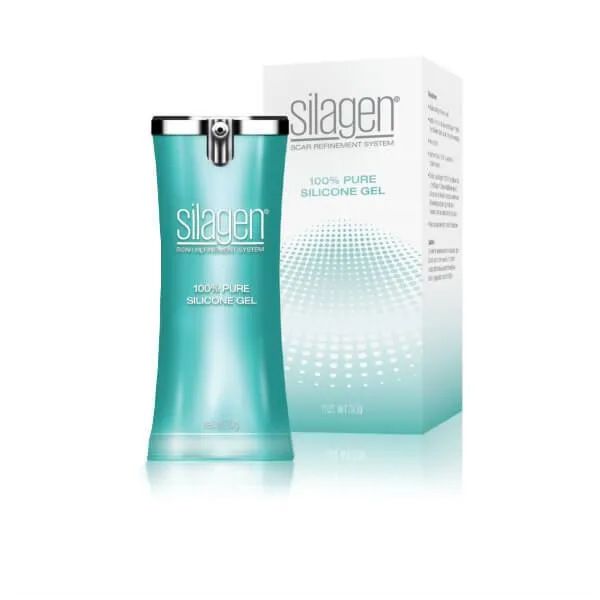
Silagen Silicone Scar Treatments are a revolutionary, physician-exclusive line of medical grade silicone scar treatment products created to dramatically reduce the appearance of scars. Don’t let your self-consciousness about scars keep you from living your best life. Stop hiding your scars with clothes and use Silagen silicone scar treatments to reduce their visibility for good.
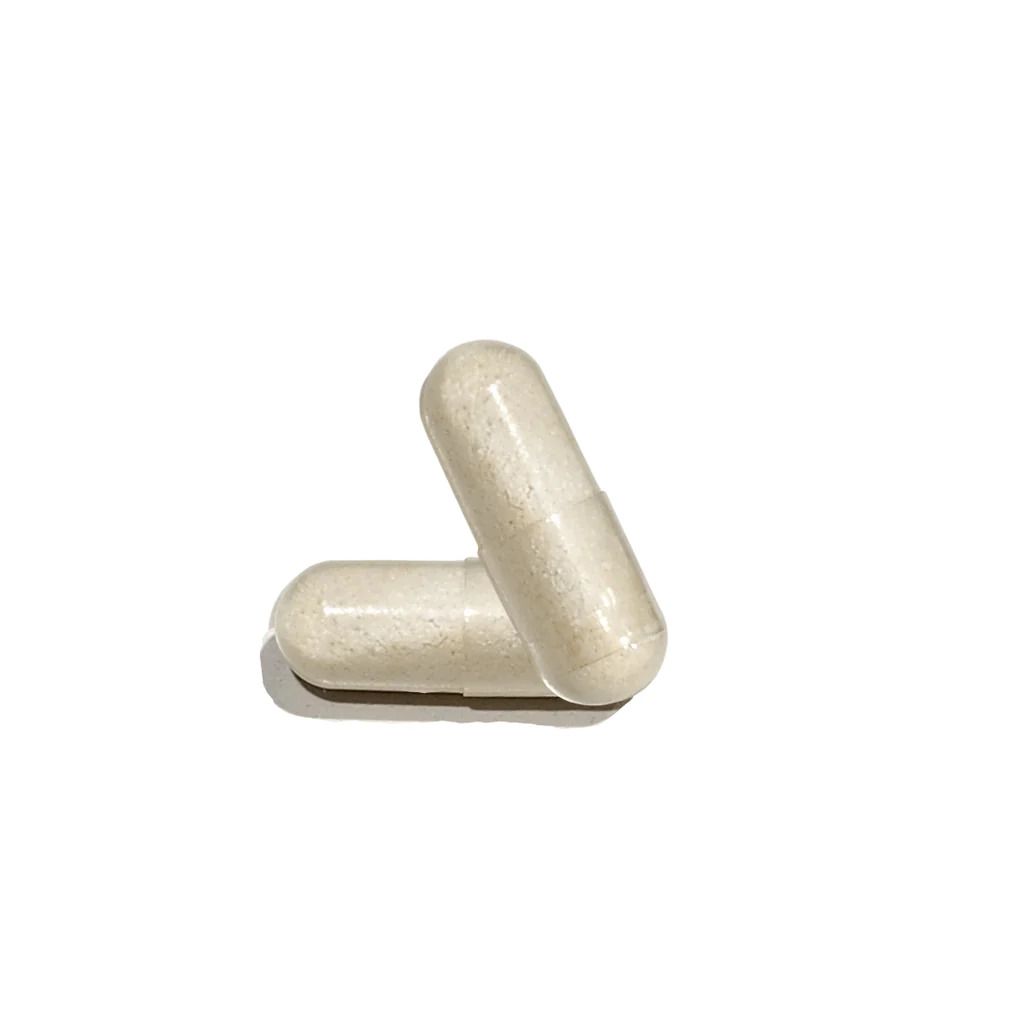
Arnica, Bromelain, and Vitamin K are widely used pre-procedure in the cosmetic surgery industry for their ability to help minimize bruising and swelling after a surgical or non-surgical procedure. Dr. Nazarian recommends starting 1 month before surgery with 2 pills a day and continuing for 2 weeks after surgery.
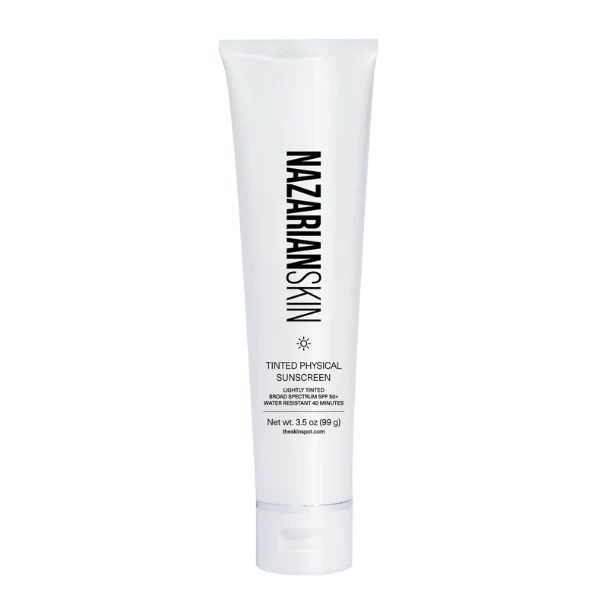
NazarianSkin Tinted Physical Sunscreen is a mineral, broad spectrum SPF 50+ sunscreen is a lightweight, tinted formula excellent for very sensitive and post-procedure skin types. Chemical free actives and enhanced antioxidant protection to combat skin aging free radicals associated with ultraviolet (UV) and infrared radiation (IR).
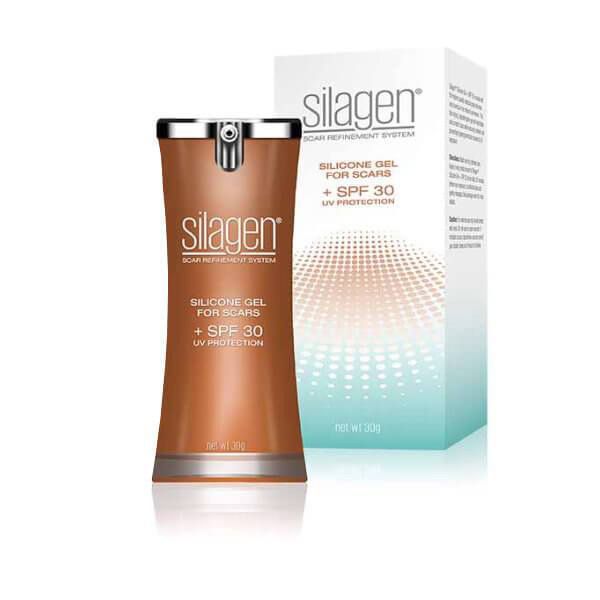
Silagen Silicone Scar Treatments are a revolutionary, physician-exclusive line of medical grade silicone scar treatment products created to dramatically reduce the appearance of scars. Don’t let your self-consciousness about scars keep you from living your best life. Stop hiding your scars with clothes and use Silagen silicone scar treatments to reduce their visibility for good.
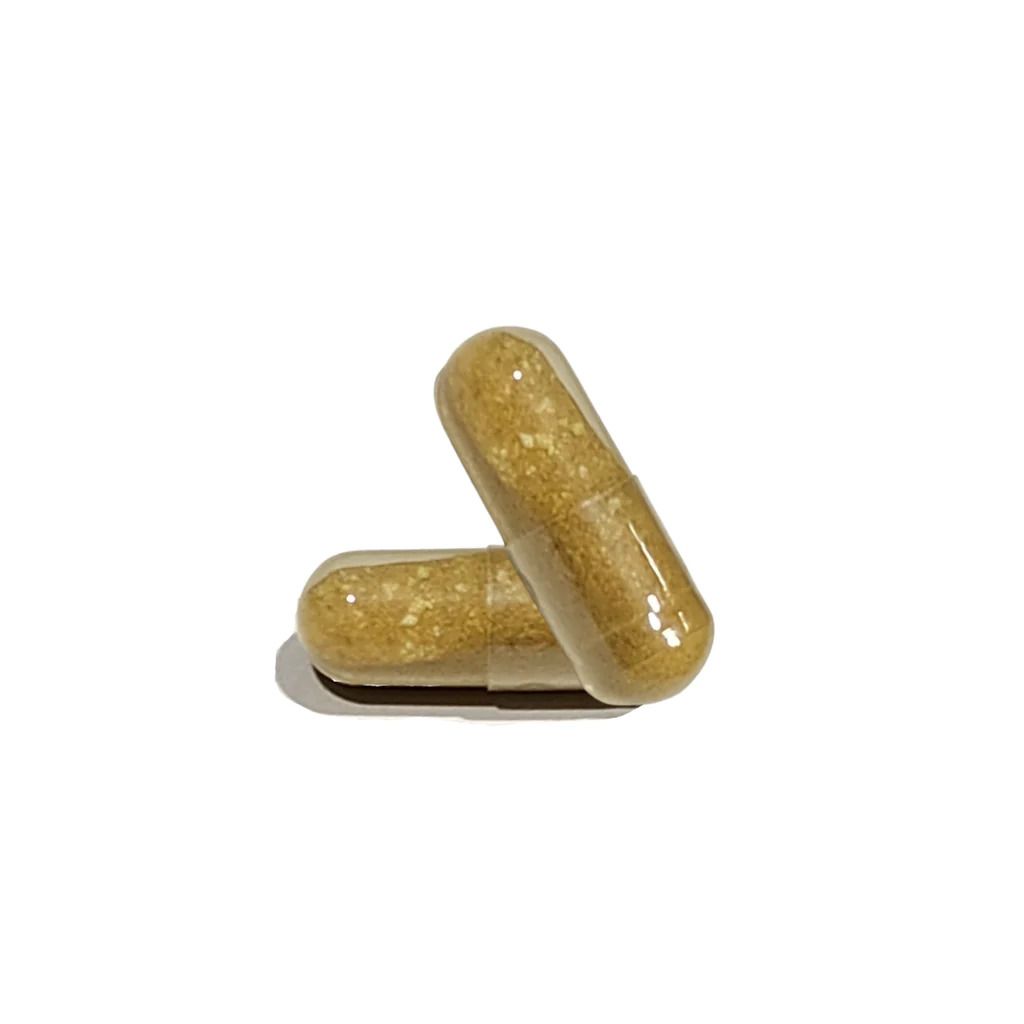
Arnica, Bromelain, and Vitamin K are widely used pre-procedure in the cosmetic surgery industry for their ability to help minimize bruising and swelling after a surgical or non-surgical procedure.
Rhinoplasty requires both aesthetic judgment and structural discipline. A change of only a few millimeters can alter facial balance, while removing or repositioning too much support can affect the way the nose functions over time.
Dr. Sheila Nazarian is certified by the American Board of Plastic Surgery and completed her integrated plastic surgery residency at the University of Southern California. Her background also includes clinical research in plastic and reconstructive surgery, a Master of Medical Management from USC, and an ongoing teaching role at the university.
That training informs an approach centered on proportion, preservation, and honest surgical planning. The nose is evaluated in relation to the chin, lips, cheeks, and complete facial profile. Its internal structure and airway are considered alongside the visible changes you want to make.
Surgery is performed in Nazarian Plastic Surgery’s certified, on-site surgical center in Beverly Hills. The team provides detailed preparation and recovery guidance, along with access to support as the nose heals and gradually takes on its final definition.
The objective is a nose that breathes properly, fits the face, and still looks naturally yours.

If you would like more information about this procedure, please call Nazarian Plastic Surgery at (310) 773-3039 or request a consultation today. Dr. Nazarian will discuss your options and help determine a procedure plan that is right for you and achieve your aesthetic goals.
The goal of a rhinoplasty is to create a subtle change to your facial features that will blend harmoniously with the rest of your face
Yes, at Nazarian Plastic Surgery and Spa26 we offer financing through third-party providers, Care Credit and LendingUSA, both of which offer our patients 0% interest for up to 6 months!
Absolutely. A rhinoplasty can performed in conjunction with other procedures. This includes chin augmentation, upper lip lift, and more.
At Nazarian Plastic Surgery, we have built a state-of-the-art certified surgical center located right in our office to ensure patients have the most comfortable experience while undergoing any surgical procedures.
Our philosophy at Nazarian Plastic Surgery and Spa26 is to provide our patients with the most natural looking results. Our goal is to not change the way our patients look, however to help them become a better version of themselves!
Most patients feel comfortable resuming normal activities within two weeks, though subtle swelling can take months to fully subside. Final results typically settle in over the course of a year.
If rhinoplasty is performed for medical reasons—such as correcting a deviated septum or improving breathing—insurance may cover part of the cost. However, purely cosmetic rhinoplasty is typically not covered.
Most patients describe post-surgery discomfort as mild to moderate, with congestion being the most noticeable sensation. Pain is generally well-managed with prescribed or over-the-counter medication, and discomfort significantly improves within the first week.
The cost of a nose job in Los Angeles depends on surgical complexity, whether it is a primary or revision procedure, the need for grafting or functional correction, and anesthesia and facility fees. An examination is required before an accurate quote can be provided.
Closed rhinoplasty places all incisions inside the nostrils. Open rhinoplasty adds a short incision across the columella so the surgeon can see the nasal framework more directly. Open surgery may offer greater control for complex tip work, grafting, asymmetry, or revision, while closed surgery may suit more focused corrections.
You will see an initial change when the splint is removed, but the nose will still be swollen. Much of the visible swelling improves during the first several weeks and months. Final refinement can take a year, and sometimes longer, after revision surgery or when the skin is thicker.
Rhinoplasty can be combined with septoplasty to straighten a deviated septum and improve airflow. Whether septal correction is enough depends on the entire airway, including the nasal valves and other internal structures.
Ethnic rhinoplasty refines the nose while respecting features connected to the individual’s heritage and identity. It is customized to the person’s anatomy and preferences instead of working toward one standardized nasal shape.
Rhinoplasty is generally considered once facial and nasal growth are complete, usually during the middle to later teenage years. Physical development, emotional readiness, personal motivation, and realistic expectations matter more than reaching one specific birthday. Younger patients also require parental or guardian involvement.
Revision may be considered when a previous rhinoplasty has left a persistent contour concern, asymmetry, inadequate structural support, or breathing difficulty after healing is complete. Because swelling can last for a year or longer, an evaluation is needed to determine whether the issue is temporary or likely to require additional surgery.